芒種の器選び
六月初旬、芒種を迎えました。芒種とは、稲や麦など穂の出る植物の種を蒔く時期という意味で、農家にとって一年で最も忙しい季節のはじまりを告げる言葉です。現代の暮らしではなかなか土に触れる機会は少なくなりましたが、この時期ならではの営みが台所にはまだ残っています。そう、梅仕事です。
青梅が店先に並びはじめると、梅干しや梅酒、梅シロップを仕込む季節がきたと感じる方も多いのではないでしょうか。梅を漬けるには、においや酸に強い陶器の甕が昔から使われてきました。釉薬をかけた陶器の甕は密閉性が高く、梅の酸にも強いため、毎年繰り返し使えるのが魅力です。
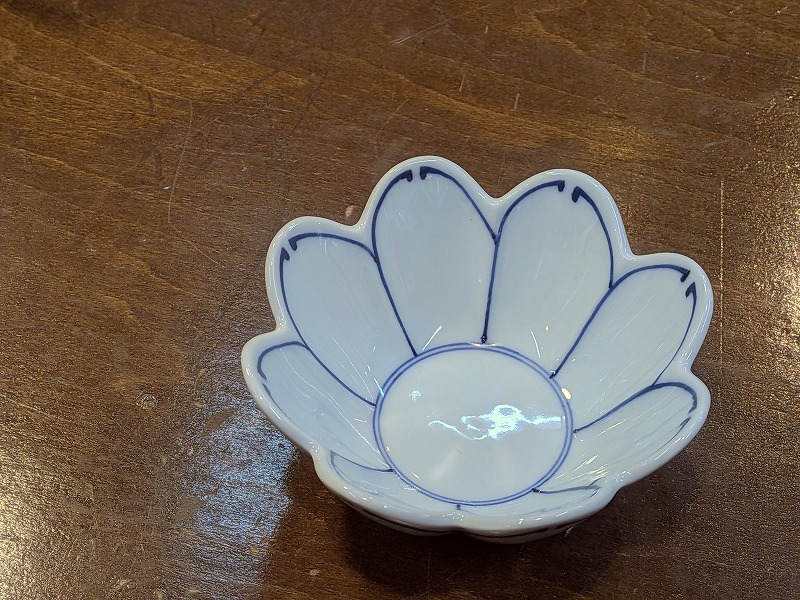
仕込んだ梅シロップを夏に炭酸で割るとき、注ぐ器にも少しこだわってみてください。青磁や染付の涼しげなグラスや小鉢は、梅の淡い色をいっそう引き立ててくれます。
芒種の台所仕事を、お気に入りの器とともに。
Choosing Vessels for Bōshu
Early June brings us to Bōshu — one of the twenty-four seasonal nodes of the traditional East Asian calendar. The name means “grain in ear,” marking the time to sow seeds of rice, wheat, and other grain-bearing plants. For farmers, it signals the start of the year’s most demanding season.
In modern life, few of us have much opportunity to work with the soil. Yet one timeless seasonal ritual still lives on in the kitchen: ume-shigoto — the Japanese tradition of preparing preserved plums.
When green plums begin appearing at market stalls, many people feel the call to get started — making umeboshi (salt-cured plums), umeshu (plum wine), or plum syrup. For pickling, ceramic crocks have long been the vessel of choice, prized for their resistance to both odors and acidity. Glazed stoneware seals well, stands up to the natural acids in plum, and can be used year after year — that’s its quiet, enduring appeal.
When summer arrives and you mix your homemade plum syrup with sparkling water, why not give a little thought to the vessel you pour it into? A celadon glass or a small bowl in cool indigo blue brings a refreshing quality that makes the soft, luminous color of the syrup all the more beautiful.
May the kitchen work of Bōshu be accompanied by vessels you love.