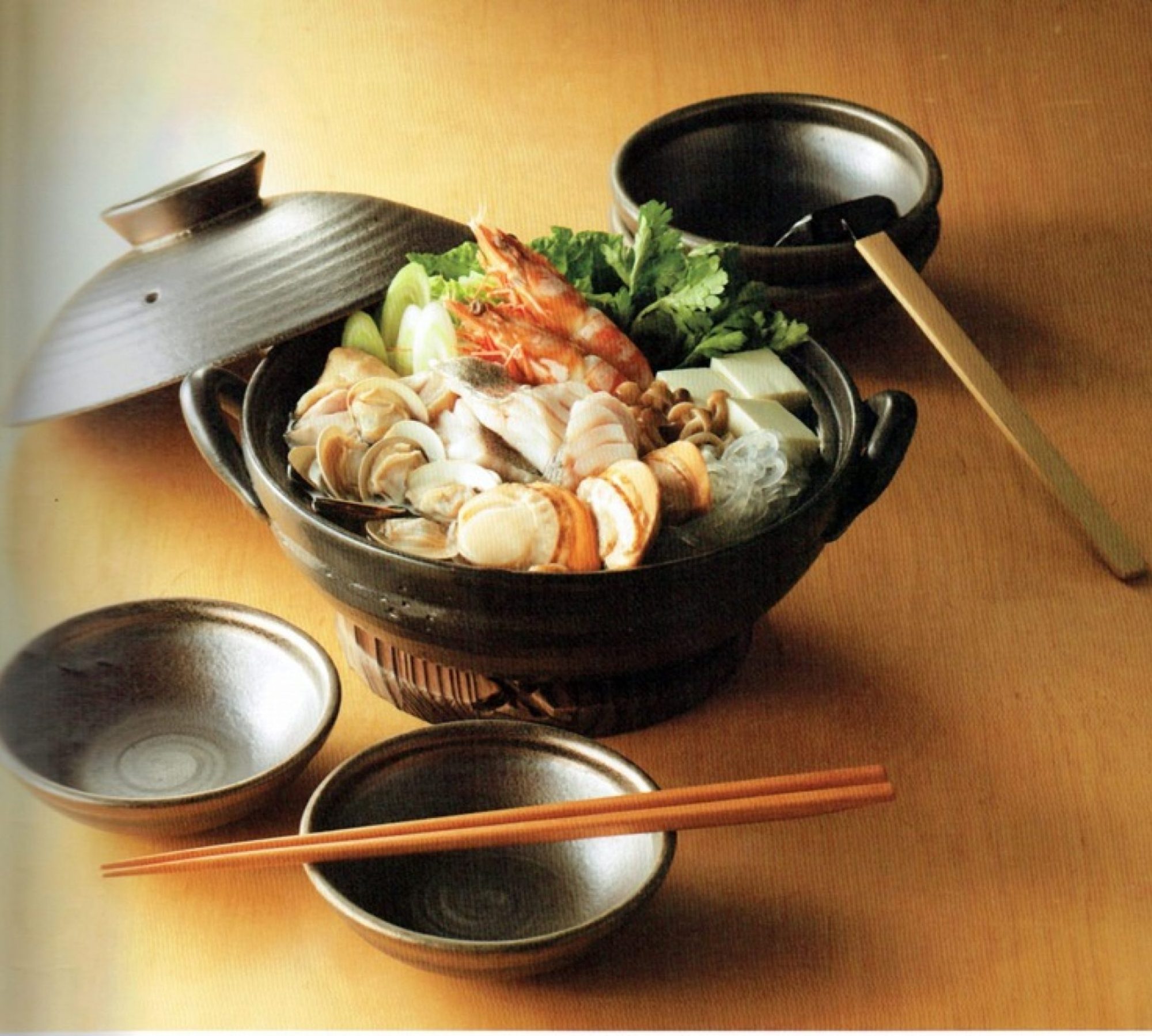
刺身にも、餃子にも、天ぷらにも。日本の食卓には、小さな醤油皿が欠かせません。
大きさは、直径九センチほど。三寸皿、あるいは豆皿と呼ばれます。ここには、藍の唐草、麻の葉、黒い釉薬のかかったもの、土の色をそのまま残したもの。小さいのに、一枚ずつしっかり手が入っています。
豆皿の面白さは、使い道が決まっていないところです。醤油を注ぐ。薬味を置く。塩や漬物を少し盛る。箸置きの代わりにもなります。器から離れて、指輪の置き場所にしている方もいます。
小さいので、値段も手に取りやすい。旅の記念に一枚、贈り物に数枚。かさばらず、軽く、それでいて日本の器らしさがはっきり出ます。
並べて見比べると、意外と迷います。どうぞ、ゆっくりお選びください。
Sashimi, gyoza, tempura — almost everything in Japanese cooking gets dipped in something, so every household keeps a stack of tiny plates like these.
They measure about 9 cm across and are known as mamezara, literally “bean plates.” Small as they are, they’re made with the same care as full-sized pieces: hand-painted arabesque, geometric asanoha patterns, deep black glaze, bare clay left rough on purpose.
What makes them appealing is that nobody agrees on what they’re for. Soy sauce, yes. But also salt, pickles, grated ginger. Turned upside down, a chopstick rest. Away from the table, a dish for rings by the sink.
Because they’re small, they’re inexpensive — easy to buy one as a souvenir, or several as gifts. They weigh almost nothing and survive a suitcase well.
Fair warning: choosing just one takes longer than you’d expect.