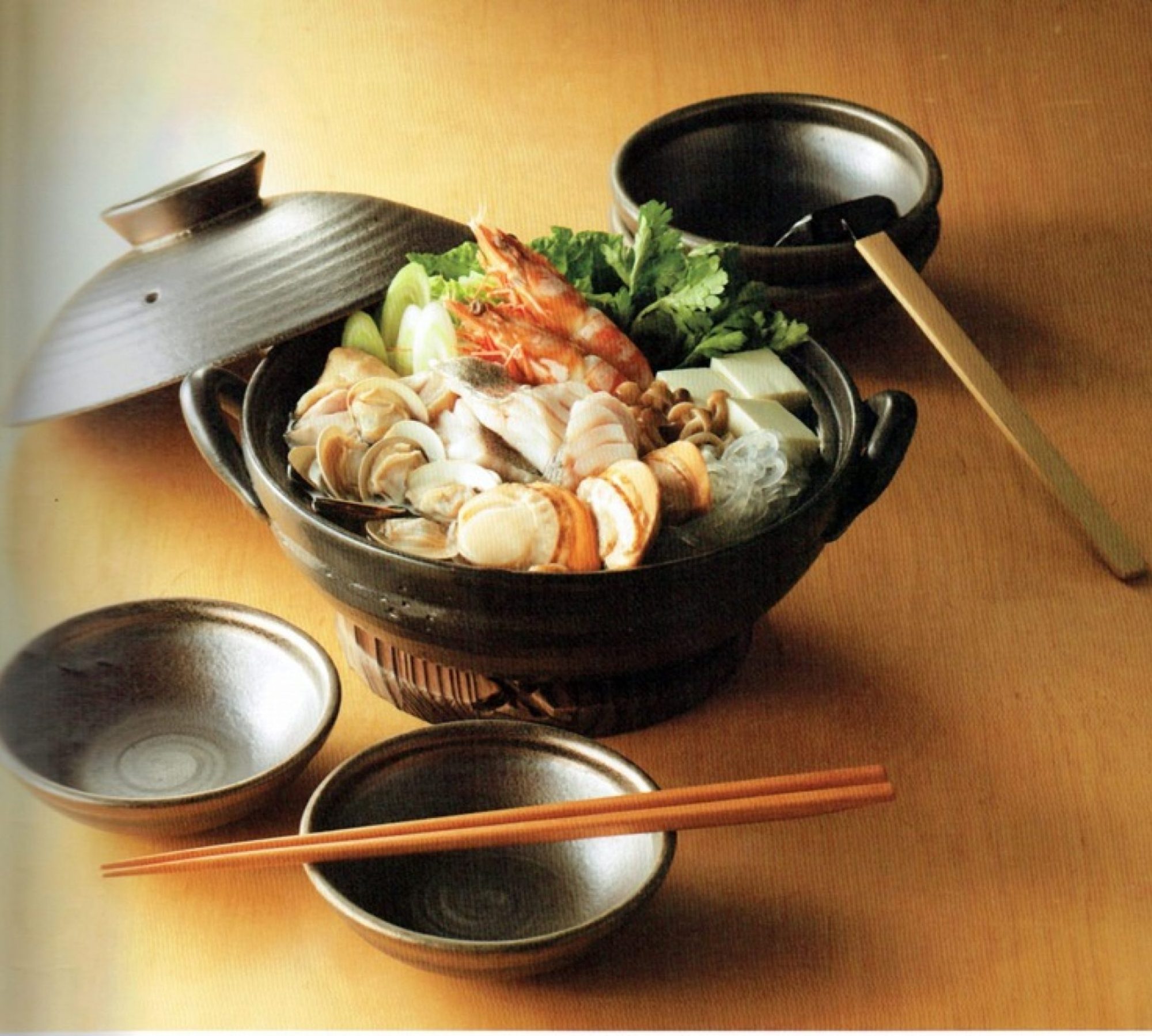
小鉢のコーナーです。
あと一品、なにか欲しい。
そんなときに頼りになるのが、小鉢です。
ほうれん草のおひたし。冷奴。ひじきの煮物。
ほんの少しの量でも、小鉢に盛るだけで、ちゃんとした一皿になります。
棚をご覧ください。
花びらの形。木の葉の形。六角形。
染付の藍、赤絵のあたたかさ、とろりと溶けたようなトルコ青。
同じ小鉢でも、これだけの表情があります。
選び方は、そう難しくありません。
形をそろえて、色だけを変える。
食卓に、自然と統一感が生まれます。
逆に、形も色もばらばらに集める。
これはこれで、にぎやかで楽しいものです。
和え物の緑。白和えの白。煮物の飴色。
盛る料理の色を思い浮かべながら選ぶと、失敗がありません。
小さな器ですが、毎日いちばん手に取るのは、案外この子たちかもしれません。
どうぞ、手に取ってご覧ください。
This is our kobachi corner — small bowls.
A Japanese meal is rarely one large plate. More often it’s rice, soup, and several small dishes, each in its own little bowl. Spinach dressed with sesame. Simmered vegetables. A few slices of pickle. Small portions, many of them.
That’s what these bowls are for.
Look along the shelves. Petal shapes. Leaf shapes. Hexagons. Deep indigo sometsuke — cobalt blue painted under a clear glaze, one of the oldest patterns in Japanese ceramics. Warm reds. And a turquoise that pools and melts toward the rim, no two pieces quite alike.
Choosing is easier than it looks.
Pick one shape, then vary the colour. Your table gains a quiet sense of order.
Or gather shapes and colours freely, with no matching at all. In Japan this is perfectly normal — a table of mismatched bowls looks generous, not careless.
One more tip. Think of the food’s colour first. Green vegetables sit beautifully in white. Pale dishes come alive against blue.
Most of these bowls start around five hundred yen, and they travel well — light, small, and genuinely used every day once you get them home.
Please pick one up and feel the weight of it.