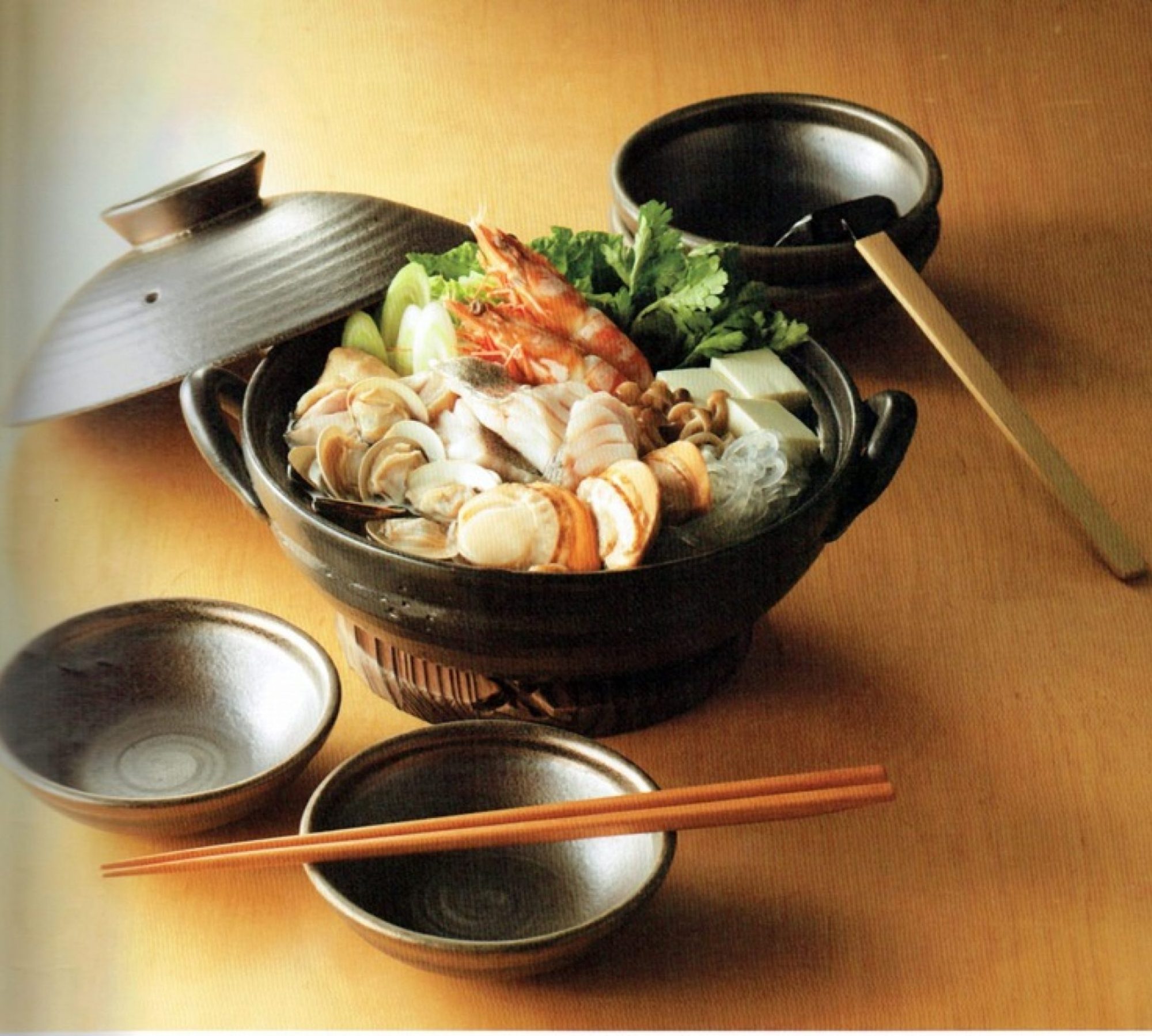
湯気の立ちのぼる、一杯の丼。
両手で抱えるその瞬間が、食卓のいちばん楽しい時間かもしれません。
こちらは、丼のコーナーです。
藍の縞、水玉、唐草、市松。
白地に藍の文様は、どんな料理もやわらかく受け止めます。
大きさは、さまざまです。
大ぶりのものは、ラーメンやうどんに。
少し小ぶりなものは、親子丼やカツ丼にちょうどよい深さです。
煮物を盛る鉢として使える形もあります。
黒い釉薬の丼は、料理の色を引き締めます。
白いご飯も、青菜も、いつもより鮮やかに見えるから不思議です。
差し色に、赤や黄の丼をひとつ加えるのもおすすめです。
同じような形でも、手に取ると印象が変わります。
重さ。縁の厚み。口当たり。
どうぞ、実際に持ち上げてみてください。
毎日使う器だからこそ、手にしっくりくる一杯を。
There is a particular pleasure in lifting a warm bowl with both hands.
This is our donburi corner. A donburi is a deep bowl, and in Japan it lends its name to the meals served in it — rice topped with simmered pork and egg, with tempura, with beef. The same bowls hold ramen, udon and soba. In Japanese homes, this bowl is not left on the table. It is picked up, held close, eaten from directly.
Much of what you see here is blue and white — sometsuke, cobalt painted under a clear glaze. Stripes, dots, curling vines, checkerboards. These patterns are centuries old, yet they sit quietly beside almost any food.
Note the range of sizes. The wider bowls are meant for noodles in broth. The deeper, narrower ones suit rice dishes, and work equally well for a hearty soup or salad.
The dark bowls do something different. Against black, white rice and green vegetables look brighter, more alive.
Please pick one up. Bowls of the same shape can feel entirely different in the hand — the weight, the thickness of the rim, the way it meets your lips. That difference is worth trusting.