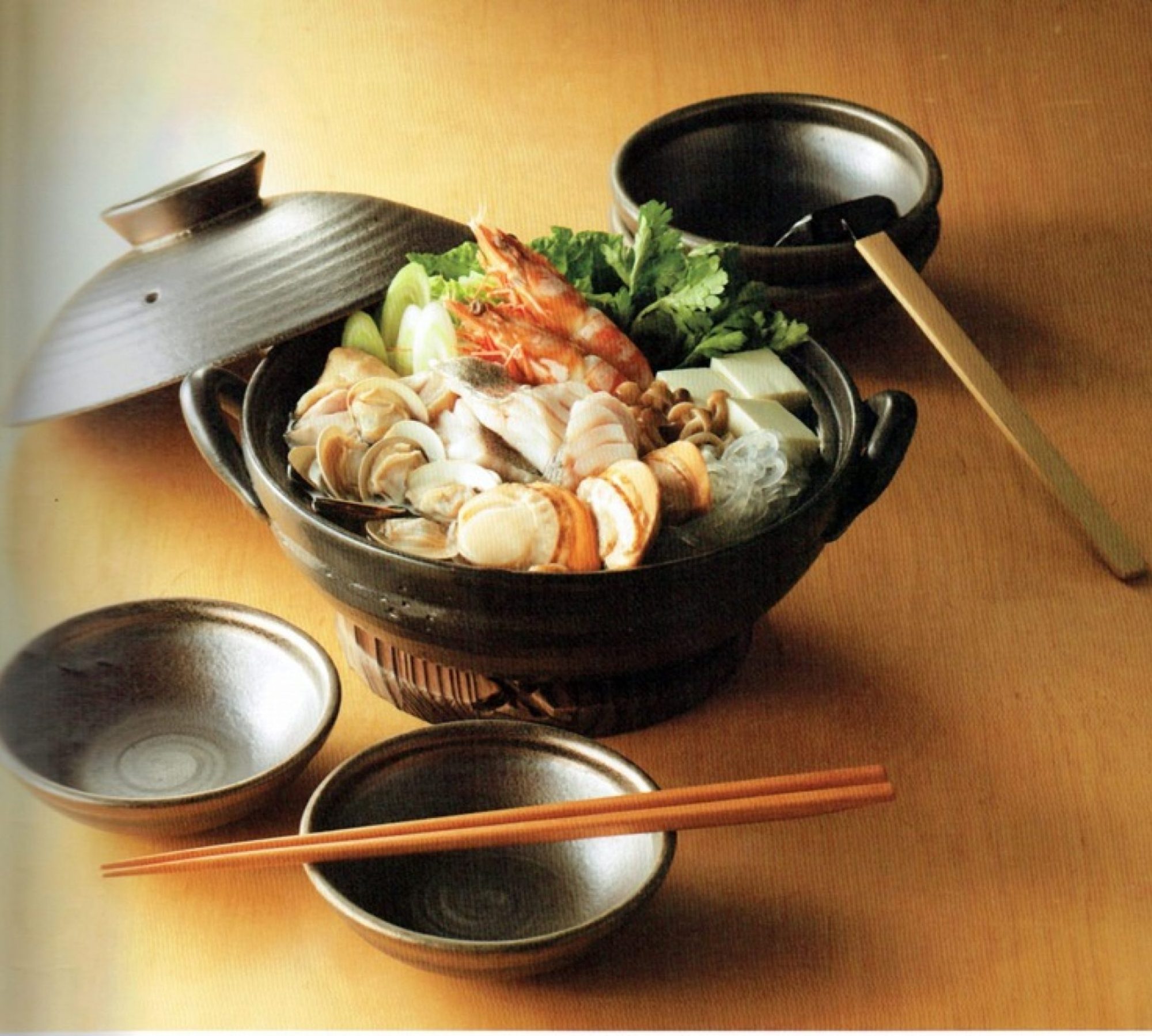
毎度ありがとうございます。商売繁盛三島大社前「陶器のすぎうら」でございます。
静岡県三島市の三島大社前にて明治・大正・昭和・平成と長きに渡り商いを営ませていただいております当店は、陶器、磁器を初め、ガラス器、漆器、木製品、金属器、洋食器、和食器、縁起置物、叙勲・褒章・叙位・叙勲の記念品、各種御結納品など幅広く取り揃えて皆様のお越しをお待ちいたしております。
是非一度、専門店陶器のすぎうらへ御来店なされますよう、御案内申しあげます。
このブログでは、陶器のすぎうらがおすすめする店内の販売商品をご紹介してあります。
古い記事の商品につきましては、完売や価格改定などがあるものもございますが、お気に入りのお品がありましたら、当ブログのご注文承りフォームの各欄にご記入いただきましてご連絡いただけましたら、お返事を差し上げたいと思います。贈り物用に包装・リボン・熨斗掛けなども無料でいたしますのでどうぞ。どうぞお気軽にお問い合わせください。ありがとうございました。
御来店の際には、何なりとお気軽に当店店員までお声掛け下さいませ。
先ずは当ページームをご覧になって、ご不明の点はFAX、お電話にて気軽にお問い合わせ下さい。
連絡先 静岡県三島市大社町1-30 杉浦陶器店電話 055-975-0219 FAX 055-975-0237
梅雨の器選び
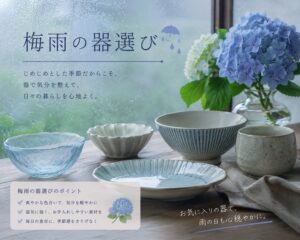
雨音が続く、梅雨のころ。
外はしとしとと雨が降り、空の色もくすんでいます。足元は湿って、気持ちも少ししんとする。でも、そんな日こそ食卓に目を向けてみてください。器をひとつ変えるだけで、毎日の食事がぐっと明るくなります。梅雨の長い雨の日は、器とゆっくり向き合える、静かで豊かな時間でもあります。
この季節に特に似合うのは、涼しげなガラスの器です。光を受けてゆらゆらと揺れる影が、食卓に水面のような涼を運んでくれます。冷たい麺、お浸し、フルーツのデザート。ガラスの器に盛ると、どれも一層きれいに映えます。目から涼を取るのは、日本の夏の知恵。梅雨の薄明かりの中でも、ガラスはひときわ透明に、涼やかに輝きます。日本各地の手仕事のガラスは、シンプルながらもどこか温かく、毎日の食卓にそっと寄り添ってくれます。
青や白の陶磁器も、梅雨の食卓によく似合います。藍色の染め付け皿、白磁の小鉢、染め分けの平皿。湿気の多い季節でも、すっと背筋が伸びるような清潔感があります。あじさいの色を思わせる青紫の釉薬の器は、この時季ならではの楽しみです。土の温かみを持つ陶器は、しとしとと降る雨音とともに、食卓に落ち着いた静けさをもたらしてくれます。
梅雨のもうひとつの楽しみは、お茶の時間です。鉄瓶でじっくり沸かした白湯や煎茶を、お気に入りの湯のみで一杯。雨音を聞きながらゆっくり飲む、そのひとときが、長い雨の日の贈り物になります。
器を選ぶとき、料理だけでなく季節も一緒に盛りつけるような気持ちで選んでみてください。「この器で、何を盛ろうか。」そう考えながら過ごす雨の日も、悪くないものです。
晴れた日の食卓を思い描きながら、今日はお気に入りの一枚を探してみませんか。
Choosing Tableware for the Rainy Season
In Japan, early summer brings a season called tsuyu — a stretch of weeks when rain falls softly and almost without pause. The sky stays grey, the air grows heavy with moisture, and the days settle into a quiet, unhurried rhythm.
It is a season that invites you to slow down. And one of the simplest ways to brighten these grey days is to pay attention to your table. A single piece of tableware, chosen with care, can shift the mood of a meal entirely.
For this season, glassware feels just right. As light passes through it, it casts soft, rippling shadows — like sunlight on water. A cold noodle dish, a simple side of dressed greens, a small dessert of summer fruit: each looks a little more inviting when served in glass. In Japan, there is a long tradition of cooling the eye before cooling the body, and glassware does exactly that. Even on overcast days, glass catches whatever light is available and gives it back, quietly and cleanly.
Blue and white ceramics also suit the season well. Indigo-painted plates, white porcelain bowls, softly glazed dishes in shades of blue-grey — they bring a sense of order and calm to the table, even when the weather outside feels unsettled. Some glazes carry the soft purples and blues of hydrangea, the flower most associated with this rainy season in Japan. A small detail, but one that makes the table feel connected to the world just outside the window.
And on a rainy afternoon, few things are as satisfying as a quiet cup of tea — brewed slowly, held with both hands, listened to as much as tasted.
When choosing tableware, think of it as setting the season, not just the table. On a grey day, that small act of choosing can be its own kind of pleasure.
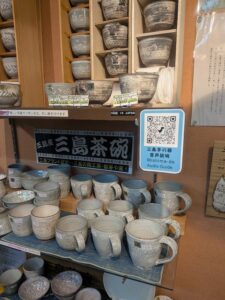
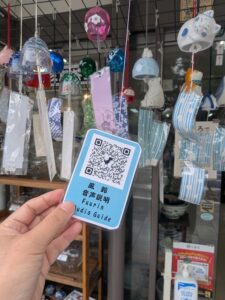
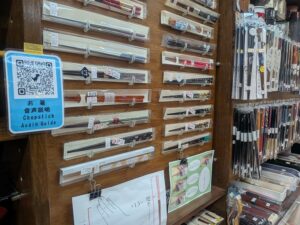
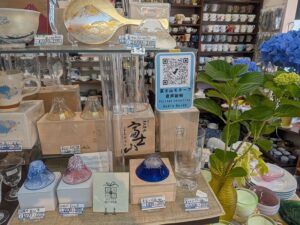
商品の音声案内を始めました。
最近は当店のお客様にも、若い年齢層の方などは耳にイヤホンを付けて店内をご覧になっていらっしゃる方が増えております。そういったお客様向けに、スマホのカメラアプリでQRコードを映して頂くことで、商品の音声案内が聞けるように店内の各コーナーにQRコードを提示していきます。
インバウンドのお客様向けにも英語での商品説明もお聞きいただけます。
ご来店の際には、ぜひお試しいただければと思います。
芒種の器選び
芒種の器選び
六月初旬、芒種を迎えました。芒種とは、稲や麦など穂の出る植物の種を蒔く時期という意味で、農家にとって一年で最も忙しい季節のはじまりを告げる言葉です。現代の暮らしではなかなか土に触れる機会は少なくなりましたが、この時期ならではの営みが台所にはまだ残っています。そう、梅仕事です。
青梅が店先に並びはじめると、梅干しや梅酒、梅シロップを仕込む季節がきたと感じる方も多いのではないでしょうか。梅を漬けるには、においや酸に強い陶器の甕が昔から使われてきました。釉薬をかけた陶器の甕は密閉性が高く、梅の酸にも強いため、毎年繰り返し使えるのが魅力です。
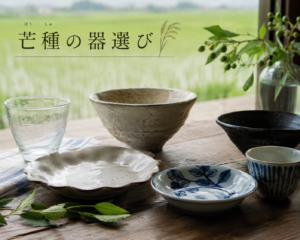
仕込んだ梅シロップを夏に炭酸で割るとき、注ぐ器にも少しこだわってみてください。青磁や染付の涼しげなグラスや小鉢は、梅の淡い色をいっそう引き立ててくれます。
芒種の台所仕事を、お気に入りの器とともに。
Choosing Vessels for Bōshu
Early June brings us to Bōshu — one of the twenty-four seasonal nodes of the traditional East Asian calendar. The name means “grain in ear,” marking the time to sow seeds of rice, wheat, and other grain-bearing plants. For farmers, it signals the start of the year’s most demanding season.
In modern life, few of us have much opportunity to work with the soil. Yet one timeless seasonal ritual still lives on in the kitchen: ume-shigoto — the Japanese tradition of preparing preserved plums.
When green plums begin appearing at market stalls, many people feel the call to get started — making umeboshi (salt-cured plums), umeshu (plum wine), or plum syrup. For pickling, ceramic crocks have long been the vessel of choice, prized for their resistance to both odors and acidity. Glazed stoneware seals well, stands up to the natural acids in plum, and can be used year after year — that’s its quiet, enduring appeal.
When summer arrives and you mix your homemade plum syrup with sparkling water, why not give a little thought to the vessel you pour it into? A celadon glass or a small bowl in cool indigo blue brings a refreshing quality that makes the soft, luminous color of the syrup all the more beautiful.
May the kitchen work of Bōshu be accompanied by vessels you love.